Sleep is a luxury that begins with what wraps you at night. In this guide, we dive into how bedding materials—from linen to cotton, blends to synthetics—shape temperature regulation, moisture management, and hypoallergenic resilience. We translate expert insight into actionable choices, so you can elevate your sleep environment without sacrificing style.
The body-yearning appeal of natural fibers is not merely a matter of texture. Breathability, moisture-wicking properties, and the fabric’s capacity to regulate microclimates around the skin all influence perceived comfort. The right textile can help you fall asleep faster, stay asleep longer, and wake refreshed. We will unpack practical criteria to consider—fabric origin, weave, thread count, finishes, and care routines—while spotlighting iconic pieces that embody the best of contemporary bedding design.
Breathability and Temperature Regulation
Breathability is the heartbeat of comfortable sleep. Linen, especially flax linen, is renowned for its micro-perforated surface and hollow-core fibers that promote air exchange. In warm climates, linen sheets feel cooler to the touch, absorbing moisture and releasing it quickly—so you don’t wake drenched in sweat. In contrast, cotton—whether percale, sateen, or its organic varieties—offers a different balance of softness and airflow, influenced by weave and thread structure.
For those who crave a cooler sleep surface without sacrificing a luxe hand, high-thread-count cotton sheet sets with a crisp percale weave provide exceptional temperature regulation. Meanwhile, blends that incorporate Tencel or modal fibers bring moisture management into a mid-weight zone, offering a silk-like drape with enhanced breathability.
Practical tip: When hot, opt for natural fibers with visible breathability rather than dense synthetics. For winter, layering with a lighter duvet and a breathable sheet can maintain comfort without overheating.
Hypoallergenic Considerations
Sensitive skin, allergies, and asthma all reward a clean sleep surface. Look for certifications like GOTS (Global Organic Textile Standard) and OEKO-TEX to ensure textiles avoid harmful dyes and chemistries. Organic linen and organic cotton percale or sateen are dependable anchors for hypoallergenic sleep, especially when combined with proper laundering practices.
Care routines matter as much as composition. Regular washing with non-toxic detergents, avoiding fabric softeners that can leave residues, and maintaining a allergen-free sleep environment contribute to the realized health benefits of your linen. A hypoallergenic approach doesn’t have to compromise luxury; it can elevate the entire sensory experience of your bedroom.
Care and Maintenance for Lasting Comfort
Longevity is an understated luxury. Proper care preserves texture, color, and function, ensuring your linens continue to regulate temperature and resist allergens. For example, linen tends to soften with each wash and benefits from washing in moderate heat and line drying or low-heat tumble drying to maintain fibers’ integrity. Organic cotton fabrics often respond well to warm cycles and gentle detergents, but the specifics depend on weave and fiber length.
A well-maintained sleep surface not only feels more comfortable but also sustains its environmental advantages—reducing the need for frequent replacements and supporting a healthier household ecosystem.
Optimizing Your Sleep Environment
Beyond fabric choice, the sleep environment itself matters. Temperature, humidity, and air quality interact with textiles to determine sleep quality. A calm, clutter-free space with appropriate bedding layers helps regulate the body’s thermal signals. Consider a breathable pillow arrangement and a duvet that aligns with seasonal needs.
For sensitive individuals, hypoallergenic protectors and encasements can shield against dust mites and allergens while maintaining a soft, natural feel. The goal is a sleep surface that stays cool when you sleep hot and warms you just enough when the air grows chilly.
Three Key Figures Across Time: Textile Wisdom, Sleep Science, and Design
Exploring bedding through different eras reveals how textiles have long been a language of luxury, health, and innovation. Here are three influential figures who shaped our understanding of comfort and textiles—each offering a modern lens on the enduring connection between body, linens, and well-being.
1) Florence Nightingale (1820–1910)
A pioneer in modern nursing who elevated hospital hygiene and patient comfort, Nightingale’s influence extended to the everyday beds of homes. Her emphasis on clean linens and orderly patient environments connected health outcomes with the care of textiles.
Insight: The cleanliness and fabric quality of bedding contribute to infection control and patient well-being. In contemporary terms, hypoallergenic and cleanable fabrics reduce irritants that disrupt rest.
2) Colette (French novelist, 1873–1954)
A symbol of refined luxury and tactile storytelling, Colette’s era celebrated textiles as a sensorial language. The imaginative textures and colors of linens shaped how homes of the early 20th century spoke softly to the inhabitants, aligning comfort with culture.
Insight: Texture and drape influence perceived comfort. The immediate feel of linen or cotton against skin can set the mood for sleep and relaxation, echoing fashion’s obsession with tactile luxury.
3) Renée Loewe (Contemporary textile designer)
A modern voice in textile design, Loewe champions sustainable luxury and the fusion of aesthetics with responsible sourcing. Her work underscores how the ethical provenance of fabrics aligns with health and wellness goals in today’s homes.
Insight: The story of a fabric—its origins, production, and finishing—affects consumer confidence in a product’s longevity and ecological footprint, which in turn influences sleep comfort and overall well-being.
Product Spotlight: Obasan Organic Wool Pillow
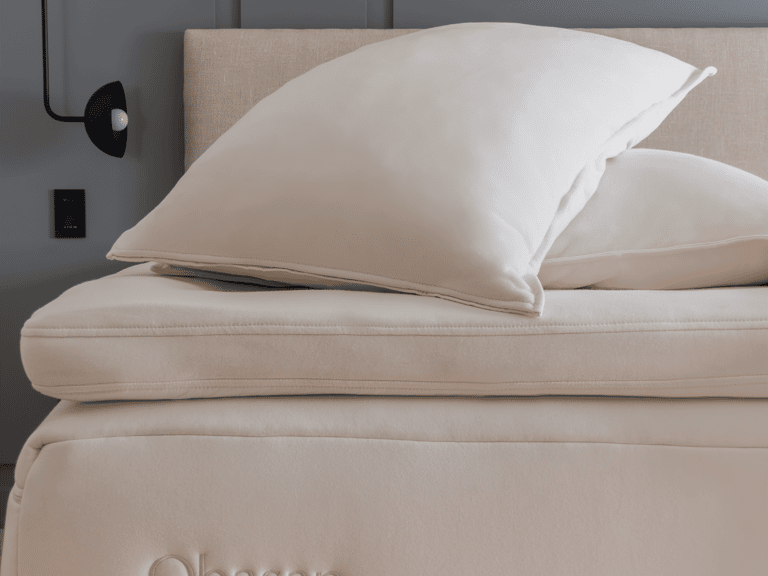
Among the many textiles that shape our rest, a thoughtfully engineered pillow anchors comfort. The Obasan Organic Wool Pillow embodies a blend of natural textures and adaptive support. With a wool fill renowned for temperature regulation and loft retention, this pillow offers a sleeping partner that adapts to your preferred temperature. One side offers a silky organic cotton cover, the other a soft cotton jersey layer, enabling easy temperature adjustments for warm or cool nights.
The fill—100% organic wool knops—promotes a breathable, moisture-wicking sleep surface. The loft is adjustable via a removable core, allowing you to tailor height for side or stomach sleeping. This is the kind of product that translates the luxury of a well-curated sleep environment into everyday usability.
Starter Guidelines for Healthier Linen Choices
- Start with natural fibers: Linen and organic cotton are excellent foundations for breathable sleep surfaces.
- Choose the right weave: Per this guide, percale weaves offer crispness and airflow, while sateen offers a softer drape with a luxurious hand.
- Look for certifications: GOTS and OEKO-TEX ensure safer dyes and production practices, aligning with hypoallergenic goals.
- Maintain a clean sleep environment: Regular washing with non-toxic detergents minimizes allergen exposure and preserves fabric integrity.
- Layer strategically: A breathable sheet base, a light duvet or comforter, and a climate-friendly pillow combine to support all-season comfort.
Conclusion: A Sleep Aesthetic That Serves Health
The intersection of health, comfort, and design is most powerful when textiles bolster well-being without compromising beauty. The modern sleep wardrobe—woven from linen, cotton, and thoughtful blends—offers a practical elegance that supports restorative rest. By prioritizing breathable fabrics, hypoallergenic standards, and mindful care, you can curate a sleep sanctuary that feels like couture for your body and your nights.