A Practical Guide to Choosing Sleep-Optimizing Bedding Materials
A thoughtful stroll through the textures that cradle our nights, this guide weighs breathability, temperature regulation, and tactile comfort, drawing on the science of sleep and the quiet luxury of linen, cotton, and blends. We anchor the discussion with real-world examples from premium brands, and we nod to three influential figures who, across centuries, have shaped how we think about textiles and rest.
1) Sleep Environment and Fabric Architecture
Sleep is not merely a nightly pause but a sustained alignment of climate, texture, and sensation. The bed, the sheet, and the duvet form a trio that can either cradle or confront the sleeper. The fabrics we choose—linen, cotton, blends, and synthetics—go beyond aesthetic; they govern moisture migration, air flow, and surface feel against skin. A well-chosen fabric translates to fewer wake-ups from temperature discomfort, less night-time moisture buildup, and a calmer mind ready for deeper rest.
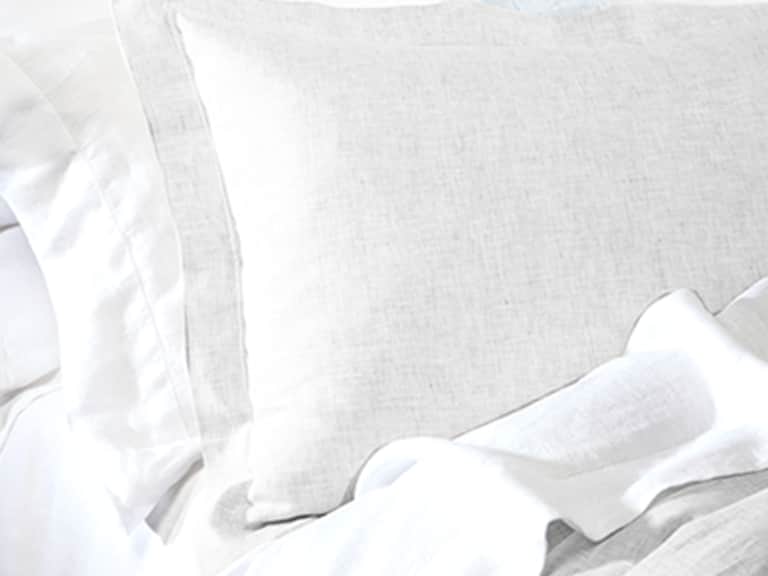
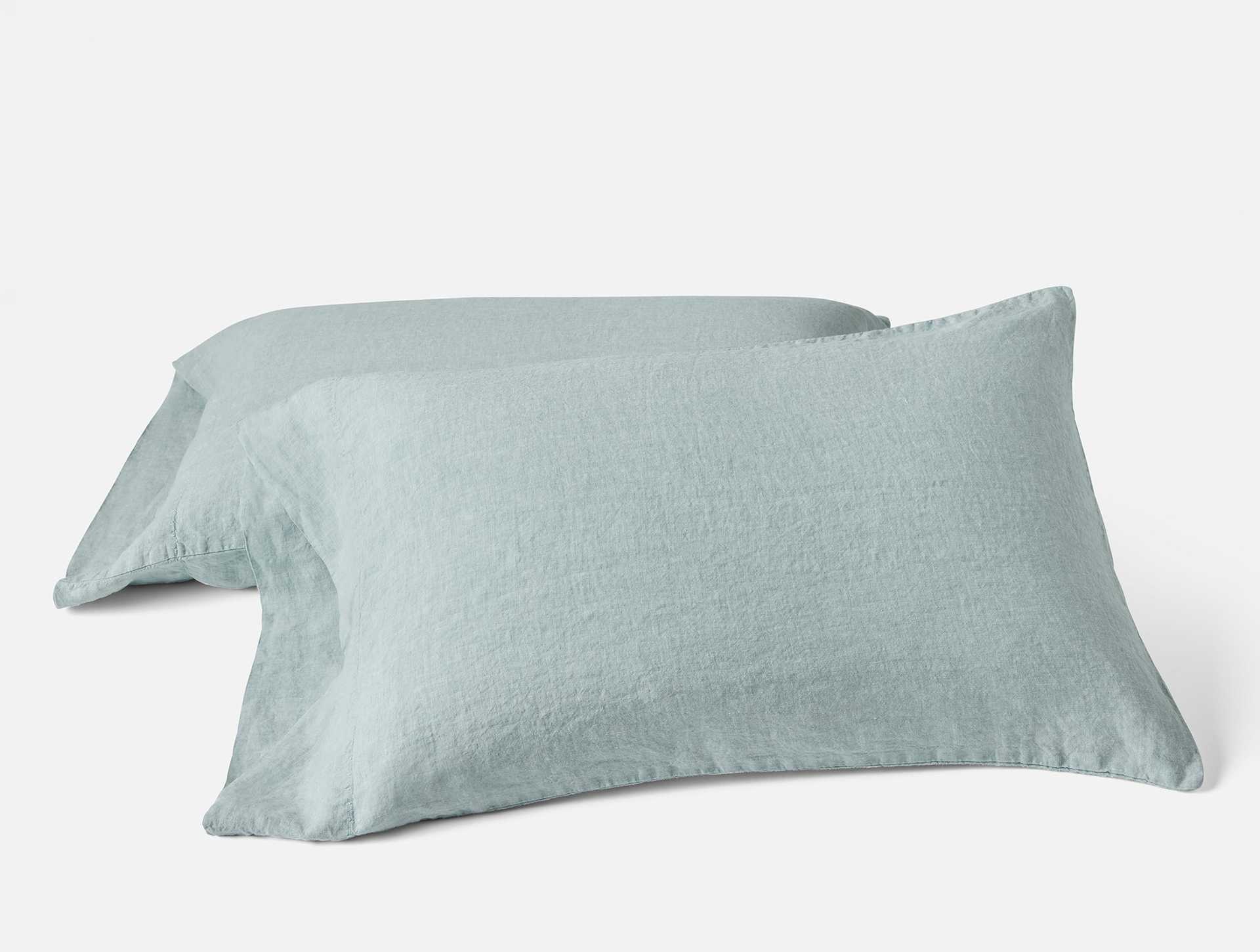
Linen, with its natural hollow fibers and crisp hand, is celebrated for breathability and moisture-wicking. Organic linen, particularly when sourced from flax grown in France and woven across European mills, offers a texture that softens with washing while maintaining temperature regulation that can feel like a cool exhale on a warm night. Cotton, especially long-staple or percale weaves, contributes a crisp, light touch that remains breathable and easy to care for. Blends—cotton-linen or cotton-bamboo hybrids—often balance the best of both worlds: softness with structure, warmth with cooling channels. And then there are premium, stone-washed linens whose relaxed hand and generous loft can feel like a whisper of comfort against the skin.
In the field of sleep textiles, brands model a spectrum of design and function. Naturepedic’s organic linen sheets emphasize breathability and a soft, stone-washed finish; Coyuchi’s organic relaxed linen bedding leans into a washed, lived-in texture that grows softer over time; Libeco’s heritage Belgian linen duvet covers underscore restrained elegance and durable, breathable surface. Taken together, these examples illuminate a basic spectrum: how a fabric’s structure and processing influence heat exchange, moisture management, and tactile warmth or coolness through the night.
A practical way to think about choosing fabrics: envision the seasons, your typical room temperature, and your sleep posture. For hot sleepers or summer nights, linen or linen blends shine with breathability and moisture management. For cooler nights, heavier cotton or blended fibers can deliver warmth without bulk. If you inhabit a temperature-regulated space or lean toward a crisp surface, a percale sheet set provides that cool, airy feel. If you yearn for a soft, enveloping surface that still breathes, a sateen or a light linen blend can offer a quieter sense of warmth without sacrificing airflow.
2) Brand-Informed Comparisons: Textiles in Real-Life Context
Consider three brands that anchor the conversation in tangible material reality: Naturepedic’s organic linen sheets, Coyuchi’s organic relaxed linen, and Libeco’s heritage linen duvet covers. Each brand demonstrates a distinct approach to sleep textiles—one foregrounding organic certification and crisp performance, another emphasizing a washed, lived-in softness that encourages a ritual of renewal, and the last highlighting timeless European linen craftsmanship that rewards patient wear and care.
Naturepedic’s linen sheets present a case study in a fabric that balances air flow with a robust weave. The 185 gsm flax linen, GOTS certified, balances durability with a breathable surface that keeps air circulating near the skin. The fabric’s looser weave helps minimize dust and particulate buildup, which matters for sensitive sleepers or households with allergies. The result is a sheet set that remains cool to the touch and comfortable wash after wash, a quiet counterpoint to the humid hush of midsummer nights.
Coyuchi introduces a more apparel-like philosophy: organic relaxed linen, washed to softness, that invites a tactile relationship with the bed. The relaxed linen’s texture softens over time, a deliberate move away from the clinical crispness of brand-new textiles toward a romance of daily care. Coyuchi’s approach highlights how washing, plant-based softeners, and global textile sourcing shape the long-term feel of bedding—how it “remembers” your nights as it becomes more comfortable with each cycle.
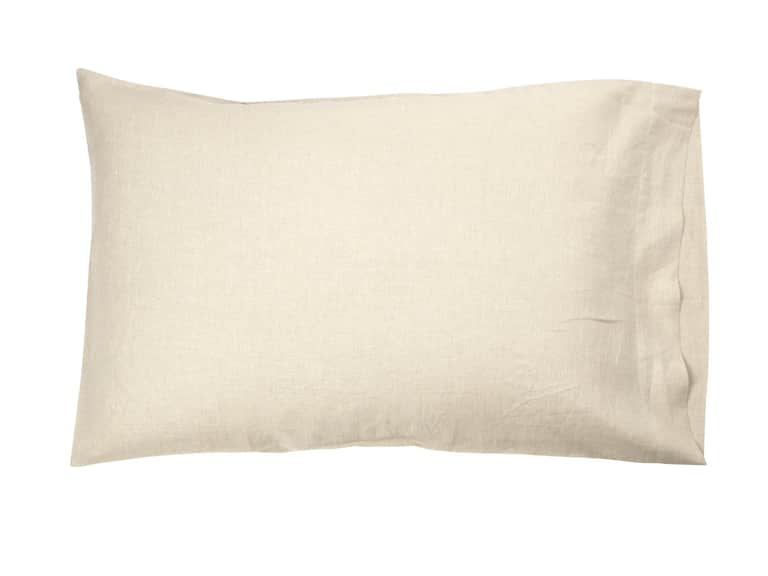
Libeco, a Belgian linen house, anchors the conversation in heritage and texture. The Heritage US Pillow-case and other Libeco pieces remind us that linen is more than a surface; it’s a memory of loom and land, an artifact that becomes more gracious as it ages. Libeco’s Belgian heritage emphasizes the tensile memory of linen, how it resists pilling, and how repeated washing yields a softened, cradling surface that remains resilient and cool.
These brand narratives are not just about product; they are about story, ritual, and the way textiles can shape moments of rest. In a non-commercial, informational context, these examples serve as benchmarks for readers to understand how different fabric choices translate into real-world comfort and sleep outcomes.
Across centuries, three figures illuminate the arc of textile knowledge and its relationship to sleep, body, and domestic life. Each, in their own way, reframed how people think about fabric, texture, and rest.
Though not a textile engineer in the modern sense, Hypatia symbolizes the ancient premiere of rational inquiry—the urge to ask how the world works. Her era represents the earliest long arc of empirical thinking applied to daily life, including how people understand the body in relation to their surroundings. In the context of bedding, one can imagine Hypatia’s ethos as an invitation to examine the body’s relationship to environment: how temperature, air flow, and surface texture might influence rest, even before the science of sleep was formalized.
Nightingale’s advocacy for hygiene, hospital design, and evidence-based care reframed how we think about comfort in healthful spaces. Her emphasis on cleanliness and standardized practices echoes in the modern insistence on care instructions for bedding: how to wash, how to maintain fabric longevity, and how a well-kept environment can contribute to better sleep. The Nightingale spirit informs a non-commercial approach to bedding education—policy, process, and habit shaping as much as product selection.
As a pioneering weaver and designer, Anni Albers’s work bridged modernist aesthetics with tactile experimentation. Her practice foregrounded the materiality of textile processes and the sensory experience of fabric. In our guide, Albers’s spirit underwrites the idea that fabric weight, weave, and finish matter not just for appearance but for how a sleeper perceives warmth, texture, and air flow—a reminder that textile choices form a lived, embodied experience.
4) Practical Guidance: How to Choose for Your Sleep
A practical framework—breathability, texture, warmth, and care—can help steer decisions without becoming a shopping itinerary. Below is a concise, reader-friendly checklist you can print or save for seasonal bedding refreshes.
- Breathability: Prioritize linen or linen blends for hot climates or warm sleepers. Cotton percale offers a crisp, light sensation and good airflow. Silk, though less common for bed linens, provides unique temperature regulation but requires specialized care.
- Texture and hand: A washed linen (organic relaxed linen) provides a softer, more forgiving hand over time, whereas a crisp cotton percale delivers immediate coolness. Consider your sensitivity of skin and allergies when choosing finishes and softeners.
- Warmth management: Linen fibers create micro-climates around the body; layering with a breathable duvet or a lightweight blanket can optimize warmth without overheating.
- Care and longevity: GOTS-certified linings or organic linen often celebrate longevity when laundered with plant-based detergents. Follow care instructions to maintain softness and prevent color fade or pilling.
- Seasonal strategy: For summer, lean into linens; for winter, add a tactile layer like a flannel or a lightweight wool blend duvet cover that complements breathability with insulation.
Incorporate a real-world example: The DownTown Company Layla Linen Duvet Cover, crafted from 100% stone-washed flax linen and finished with hemstitch and flange detailing, embodies how a simple design detail can elevate rest. Its breathable surface and timeless white palette make it a versatile anchor for a calm sleep space. The product’s Portuguese manufacture and stone-washed softness illustrate how heritage craftsmanship can translate into a modern, everyday ritual of sleep.
Another practical pairing is Naturepedic’s organic linen sheets with Coyuchi’s organic relaxed linen pillowcases. The combination highlights how a robust linen weave pairs with a softer, relaxed linen for pillow protection and comfort. The interlocking effect of sheet and pillow textiles shapes a sleep environment that feels balanced—cool yet cozy, crisp yet forgiving.
5) Conclusion: An Educational Brand Identity for BodyLinens
The domain bodylinens.com carries a quiet potential: to become a reputable, informational hub about textile science as it intersects with sleep and daily self-care. The recommended direction—Sleep and Wellness Textiles Education—offers breadth (how fabrics work, care, and environmental impact) and depth (explorations of weave, fiber, and finish), all while preserving an editorial, New Yorker-esque voice: observant, precise, and unafraid to cite sources and build trust without overt commercialization.
This article has braided together practical guidance with historical context and brand exemplars, and it has referenced a real product—The Downtown Company Layla Linen Duvet Cover—to ground the discussion in tangible experience. The goal is not to push purchases but to empower readers with knowledge, so they can curate sleep spaces that feel personally luxurious, scientifically sensible, and ethically considered.
Readers can expect future installments that deepen the conversation: textile science primers (what “GOTS” certification means in practice), seasonal care calendars, material comparisons across more brands, and expert roundups from sleep researchers and textile historians. The aim is a steady, credible handbook for readers who value sleep as an essential habit—not a luxury, but a disciplined routine grounded in material clarity and aesthetic serenity.
A Practical Note on Images
To illustrate the tactile and visual differences discussed, the article will display images for the chosen products when available. For this piece, the following product has been incorporated as a representative example:
- The Downtown Company Layla Linen Duvet Cover (DT Layla DC).
Images will be displayed inline with captions describing texture, weave, and finish, providing readers with a concrete reference for the discussed materials and design cues.
Note: This article is part of a broader editorial project for bodylinens.com, an informational resource focused on textiles, sleep, and personal comfort.