Bedding · Materials & sleep temperature
Wool Comforters: Understanding Natural Insulation and Sleep Temperature
A comforter is a modest piece of domestic engineering: it holds warmth close, releases it when it can, and spends the night negotiating between a sleeper and the room. Wool is one material that can make this negotiation feel less like a contest. Its fibers trap air and absorb some moisture, offering insulation without requiring that a bed become a sealed, overheated envelope. Whether a wool comforter suits you, however, depends on more than the reputation of the fiber. Fill, construction, bedroom climate, layering habits, sensitivities, and care all matter.
What wool does beneath the covers
Wool is not simply a warm material. Its usefulness comes from the way its structure interacts with air and moisture. Individual fibers have a naturally crimped form; in a mass of fill, those fibers can create small spaces that hold still air. Air is a poor conductor of heat compared with many solid materials, so these pockets help slow the movement of warmth away from the body. The result is insulation, though the degree of it depends on how much wool is present and how the comforter is made.
Wool can also take up water vapor from the surrounding air and from the microclimate near the sleeper, without immediately feeling wet in the way a damp surface does. That quality is sometimes described as moisture management. It may help a bed feel less clammy for some people, but it is not a promise that wool will prevent sweating or cure night sweats. Room temperature, bedding layers, health, medications, activity, and individual physiology remain in the picture. A fiber can influence comfort; it cannot overrule the whole bedroom.
This distinction is worth keeping in view because bedding descriptions can make natural materials sound almost diagnostic. Wool is not a thermostat, and “temperature regulating” is not the same as a guarantee of one ideal temperature. Rather, the fiber’s insulation and moisture behavior may make the changes in a sleeper’s environment feel more gradual. It is a characteristic to weigh, not a medical claim or a universal verdict.
Nor does the word wool tell the entire story. Fiber source, preparation, fill density, shell fabric, quilting, and finishing all affect how a comforter feels. A finely filled, lightly constructed comforter may behave quite differently from a dense one. Even within the same broad material category, two products can have very different loft, drape, weight, and warmth.
Warmth, weight, and loft are related—but not interchangeable
When comparing wool comforters, it is tempting to use heft as a shorthand for warmth. Heavier can feel more substantial, but weight alone is not a reliable measure of insulation. A comforter’s thermal character depends in part on how its fill is distributed and how much air it holds. A lofty construction may feel light while still providing useful warmth; a compressed or densely packed comforter may feel heavy without delivering the kind of airy, enveloping loft a sleeper expects.
Loft is the height or fullness of the fill once it has been allowed to expand. In wool bedding, loft can be affected by the amount of wool, the fiber preparation, and the stitching that keeps the fill in place. Some comforters use quilting or compartments to limit shifting. Others use different construction methods. A grid of stitches may help prevent pockets of fill from migrating, but can also influence how the comforter drapes and where it flexes. The label or product information should make clear whether the item is intended as a light layer, an all-season covering, or a warmer winter option.
Fill weight—the stated mass of filling in a comforter—can be useful when comparing similar products, but only if the measurements and dimensions are comparable. A larger comforter naturally requires more fill than a smaller one. Different makers may also describe warmth using their own systems, so a “medium” from one source may not correspond neatly to a “medium” elsewhere. Look for specific details where available, and treat broad warmth labels as orientation rather than standardized measurement.
The shell deserves equal attention. A closely woven cover can affect airflow and the way moisture moves through the comforter. It also changes the hand: crisp, smooth, rustling, or soft. If a shell feels too substantial to you, the comforter may seem warmer or less airy than its fill alone would suggest. If the outer fabric is light, the whole object may feel more fluid. A useful comparison considers the complete construction, not wool in isolation.
Weight on the body is another matter from warmth. Some sleepers enjoy a comforter’s reassuring presence; others dislike pressure or a feeling of being pinned beneath layers. A wool comforter can provide insulation at different weights, but the experience depends on its design and the sleeper’s preferences. If you are sensitive to pressure, seek clear information about fill mass and dimensions, and consider whether you can assess the bedding in person or use a return period before committing.
Reading the bedroom before choosing the bed
The room is part of the bedding system. A wool comforter that feels comfortable in a cool, drafty bedroom may be too warm in a well-heated apartment. A sleeper who shares a bed with someone whose temperature runs differently faces a small domestic climate problem: the same cover must serve two bodies, often with incompatible conclusions about the window. Before choosing a comforter, notice the conditions that already shape your nights.
Consider the typical bedroom temperature, whether it fluctuates overnight, and whether the room is humid or dry. Think about the mattress protector, sheets, blankets, and pajamas you already use. A thick mattress pad and a heavy duvet can contribute warmth before the comforter enters the equation. So can a closed bedroom door, a sunny exposure, or a heating system that cycles on at night. If you often wake warm, changing one layer may be more sensible than replacing the whole bedding arrangement.
Sleepers who tend to feel cold may value wool’s insulation, particularly when the room is cool. Those who overheat easily may still appreciate its moisture-related characteristics, but should be careful about fill quantity and the rest of the bedding stack. There is no contradiction in finding a material appealing and choosing a lighter version of it. The question is not whether wool is “cool” or “warm” in the abstract; it is whether a particular construction suits the combination of person, room, and season.
Climate and personal comfort are not fixed categories. A person may need different bedding in a humid summer bedroom than in a dry winter one, and the same comforter can feel different after a move, a change in heating, or a change in household routine. If you are uncertain, record a few nights of observations: whether you wake cold or warm, whether you throw off the covers, and what layers were on the bed. The unglamorous notebook is often more useful than a confident product adjective.
Layering across the seasons
Layering gives a sleeper more control than asking one comforter to do every job. A lighter wool comforter can be used with a blanket in colder weather and on its own when the room is mild. Conversely, a warmer comforter may be comfortable for much of the year if it is easy to fold back or if the bedroom remains cool. The practical goal is adaptability: adding or removing a layer without turning the bed into a pile that shifts, traps heat, or becomes difficult to manage.
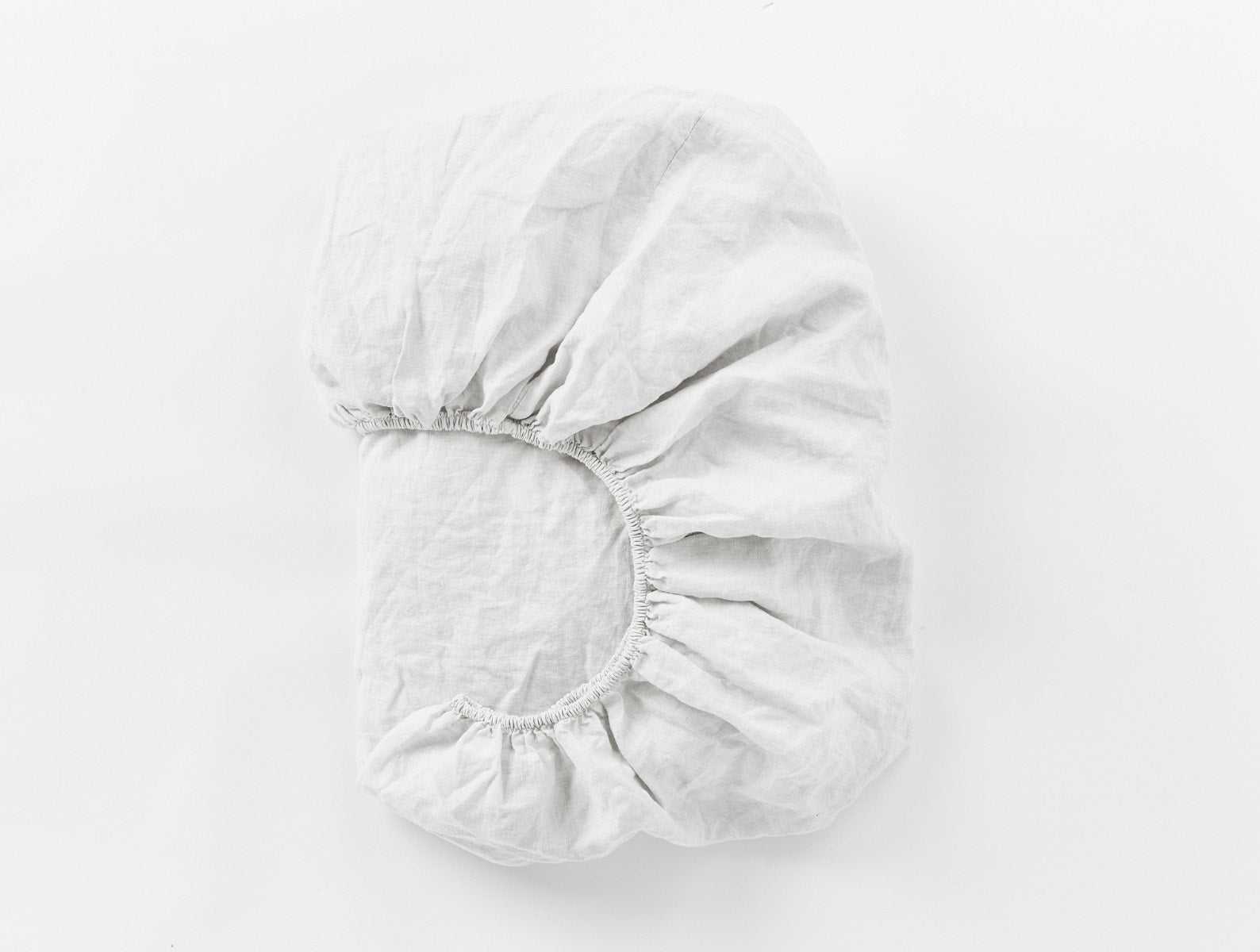
Sheets matter because they are the layer closest to the skin. Their fiber, weave, and finish influence the first sensation of the bed and may affect how freely air moves through the bedding. A smooth sheet can feel cool at first touch; a brushed or flannel surface may feel warmer. Neither sensation alone predicts the comfort of the entire night, but the sheet can change the way a wool comforter is experienced. A person who finds the comforter too warm might first try a lighter sheet or remove a blanket rather than conclude that wool itself is unsuitable.
A duvet cover, when used, adds another layer between the sleeper and the comforter. Its fabric and weave can alter the hand and drape, and its construction affects how easily the comforter can be laundered or aired. Confirm that the cover fits the comforter rather than simply approximating its dimensions: excess space can encourage bunching, while a tight fit may compress the fill. Interior ties or other fastening details can help keep the layers aligned, if the comforter and cover are designed to work together.
Seasonal storage calls for ordinary care. A comforter should be clean and completely dry before it is stored, then kept in a breathable container in a dry place. Avoid compressing it for long periods if the care guidance advises against that; prolonged compression can reduce loft or make the fill harder to redistribute. On a clear, dry day, airing bedding according to the maker’s instructions may refresh it, but direct sun, damp outdoor air, or an unsuitable drying method can do harm. “Fresh air” is not a substitute for reading the care label.
Care: the label is part of the design
Wool is often associated with special handling, but comforter care depends on the finished item, not just the fiber name. Some wool-filled comforters may be designed for professional cleaning; others may have specific spot-cleaning or airing instructions. Do not assume that a wool comforter can be put in a home washing machine simply because it fits. Water, agitation, heat, and drying can affect wool fibers, the shell, and the structure that keeps the filling evenly distributed.
Before buying, check the care label or manufacturer’s written instructions. Look for whether routine cleaning is permitted at home, whether professional cleaning is required, and what to do about small spills. A washable cover can reduce the need to clean the comforter itself, but it does not make the inner fill washable. If the instructions are vague, seek clarification before purchase. Maintenance is not a footnote to comfort; it is part of what owning the bedding will mean.
For a small mark, follow the maker’s recommended method and test cautiously where appropriate. Avoid soaking the fill or rubbing aggressively, which can spread a stain or disturb the material. If the comforter becomes wet, dry it thoroughly in a manner consistent with its instructions. Damp bedding stored in a closed space can develop an unpleasant odor and may create conditions for unwanted growth. When a large spill or persistent odor occurs, professional advice is safer than improvising with a washing cycle.
Routine care need not be elaborate. A duvet cover, gentle handling, occasional airing when conditions are suitable, and prompt attention to spills may help keep a comforter in good condition. Follow any guidance about shaking or redistributing the fill; some constructions tolerate this, while others should be treated more carefully. The object may be described as durable, but durability is not immunity to heat, moisture, rough laundering, or years of compression.
Sensitivities, allergies, and the difference between wool and the rest of the bed
People who are sensitive to wool should distinguish between direct contact with wool fibers and the experience of sleeping under a comforter enclosed in a shell. Some people may tolerate one arrangement and not another; others may prefer to avoid wool altogether. Labels such as “natural” or “hypoallergenic” do not establish that a material will suit every individual. Sensitivity is personal, and a comforter’s shell, processing, finishing, and laundering history may all matter.
Anyone with a known wool allergy or substantial skin reaction should ask a qualified clinician for guidance rather than using bedding claims as a test. If sensitivity is uncertain, read the full materials disclosure, including the outer fabric and any finishing treatments. A removable cover may reduce direct contact with the fill, but it cannot guarantee that a person will have no reaction. If a comforter produces itching, rash, breathing symptoms, or another concerning response, stop using it and seek appropriate medical advice.
Dust and household allergens are also a separate question from the wool fiber itself. The comforter’s cover, care requirements, room cleaning, and the rest of the bedding can influence how manageable the sleep environment feels. No single material makes a bed allergy-proof. People with persistent symptoms should consult a healthcare professional and consider the whole room and bedding routine rather than relying on a textile description.
A practical comparison before you decide
Wool is one option among several familiar bedding fills. Down can provide substantial warmth at relatively low weight, though its feel, sourcing, care needs, and suitability for a given sleeper differ. Synthetic fills may be easier for some households to wash or may suit people avoiding animal fibers, but their warmth, breathability, and longevity vary by construction. Cotton fill often feels different again, with its own weight and loft characteristics. None of these categories wins every bedroom. The right comparison begins with the conditions you want to change.
Ask a few plain questions. Do you usually wake cold, warm, or comfortable? Does the room stay at a fairly steady temperature? Do you want a comforter that can work alone, or do you already rely on several layers? Is a heavier feel welcome or distracting? Are you willing to follow specific care instructions, including professional cleaning if required? Does anyone sharing the bed have sensitivities or different temperature preferences? These answers make a product description more legible.
- Check the fill information. Look for the amount of wool, comforter dimensions, and any stated weight or warmth level. Compare like with like where possible.
- Review the construction. Quilting, compartments, stitching, and the shell influence how the fill stays distributed and how the comforter drapes.
- Consider the full bedding system. Sheets, duvet covers, blankets, mattress layers, sleepwear, and room temperature all contribute to the night-time result.
- Read care instructions before buying. Confirm the cleaning method and whether the comforter can be aired, spot-cleaned, or professionally cleaned.
- Account for sensitivities and preferences. A natural fiber can be appealing and still not be right for every sleeper.
- Check the return and trial terms. Comfort is difficult to infer from a label, especially when weight and loft are important to you.
When evaluating a comforter in person, notice how it settles over the body as well as how it feels in your hands. A folded sample may reveal texture but not drape. If the comforter is on a bed, ask whether it has been in use and whether its fill has been disturbed; samples can sometimes feel different from a new item. Online, examine specifications with the same care you would give a garment’s size chart. Names like “all-season” and “lightweight” are useful only when a maker explains what they mean.
What wool can—and cannot—promise
The appeal of wool is not mysterious. It can provide warmth through insulation, hold air within its structure, and absorb some moisture vapor. These properties make it a plausible choice for a sleeper who wants a natural filling with a substantial but not necessarily bulky feel. Yet performance varies, and the comforter does not operate apart from its environment. A poorly chosen warmth level can still feel too hot. An unsuitable shell can still feel stuffy. A care routine that is impractical may make a theoretically excellent comforter a poor fit for daily life.
It is also useful to separate comfort from sleep health. A bedding change may make a room feel more pleasant, and comfort can matter to the experience of settling down. But a wool comforter should not be treated as a remedy for insomnia, night sweats, breathing problems, or other medical concerns. Persistent sleep disruption deserves attention beyond textile selection. Bedding is one part of a sleep environment, not a treatment plan.
In the end, choosing a wool comforter is an exercise in proportion. The fiber’s qualities are real, but they are not magic; the room’s temperature, the sleeper’s habits, and the comforter’s construction decide how those qualities are felt. Read the specifications, think about the layers already on the bed, and give care instructions their due. The most suitable comforter is not necessarily the heaviest, loftiest, or most enthusiastically described. It is the one that lets the body spend less of the night negotiating with its covers.
Frequently asked questions
Are wool comforters suitable for warm sleepers?
Possibly, depending on the comforter’s fill amount, construction, shell, and the bedroom climate. Wool’s moisture behavior may appeal to some warm sleepers, but it does not ensure a cool night. Consider a lighter construction and account for sheets and other layers.
Is a heavier wool comforter always warmer?
No. Weight, loft, fill distribution, dimensions, and shell fabric all influence warmth and feel. Use weight as one piece of information rather than a complete measure, and compare products with similar sizes and construction.
Can a wool comforter be machine washed?
Do not assume so. Care requirements vary by product, and the wrong combination of water, agitation, heat, or drying may damage the fill or construction. Follow the specific label and manufacturer instructions.
Can wool replace all other bedding layers?
It may serve as a main covering for some sleepers and rooms, but layering offers more flexibility across seasons and changing indoor temperatures. Sheets and covers also affect the comforter’s feel, so consider the bed as a system.